News

The Desert Diamond Color Dictionary
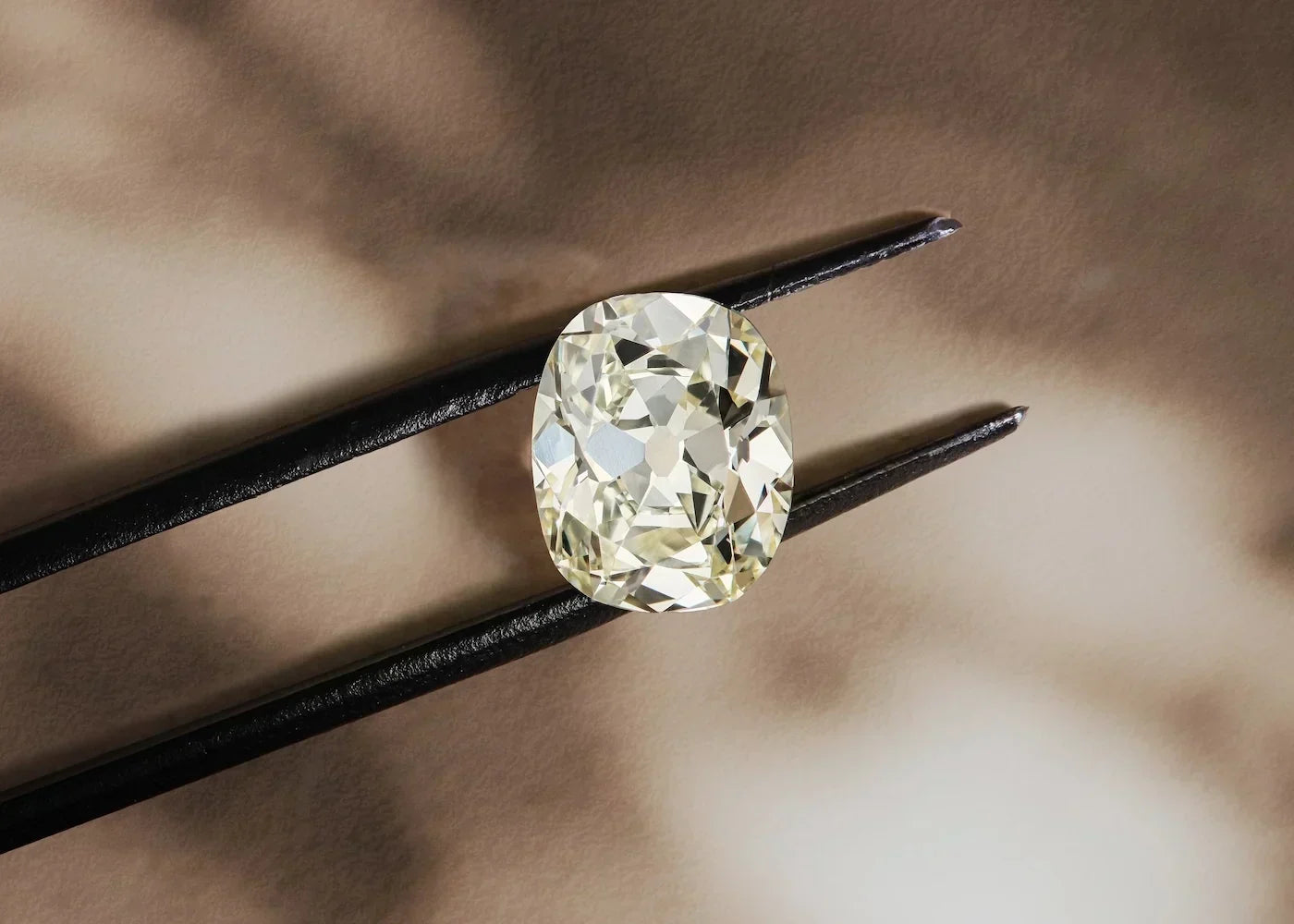
The Complete Buyer's Guide · 2026 Edition The Desert DiamondColor Dictionary Buttery, candlelight, honey, whisky — what does it all mean? Here's the guide we wish existed when customers first started asking. Taylor Swift's ring broke something loose. Searches for "old mine cut," "candlelight diamond," and "warm engagement ring" surged overnight. Brides who had been memorizing D–Z color charts suddenly had a different question: what is that soft, glowing warmth in my grandmother's ring that no modern brilliant seems to have? It has a name now. De Beers launched its Desert Diamonds campaign in late 2025, its biggest category push in over a decade, to put language around the full warm-toned spectrum. For anyone who has ever stopped at a stone that glows like honey rather than fires like a strobe, the timing is good. The problem is the vocabulary. GIA grading was built around colorless diamonds. Closer to D, the better, full stop. That framework leaves almost no useful language for the warm end of the spectrum, which is exactly where the stones people are actually asking about live. So the words get invented on the fly. Buttery. Candlelight. Whisky. Cognac. Mocha. Ecru. They are evocative and genuinely descriptive, but they mean different things to different jewelers, different Instagram accounts, and different brides. We built this guide to fix that. J.R. Dunn has been sourcing and selling warm-toned diamonds for decades, long before they had a campaign behind them. What follows is the most complete, honest decoder we know how to write. "No two desert vistas are the same. No two desert diamonds are, either. That is the whole point and the whole joy." Use this before you start shopping, before your appointment, or before any conversation with a jeweler about what you are actually looking for. The right vocabulary will get you the right stone. The Full Palette Hover to Explore the Spectrum From the barely-there warmth of a sunlit white to the deep richness of mocha, this is the desert diamond color range mapped to the language you will actually encounter. Sunlit White Cream Champagne Sand · Caramel Honey · Ochre Whisky · Amber Cognac Deep Cognac Mocha Hover each color to reveal its name Sunlit White Cream Champagne Sand · Caramel Honey · Ochre Whisky · Amber Cognac Deep Cognac Mocha The Glossary Every Term, Decoded Listed lightest to deepest. Each entry shows the De Beers marketing name alongside the GIA grading equivalent, the consumer slang you will see online, and what to actually look for at the counter. GIA Scale: K–M Sunlit White Also called: candlelight white, buttery white, ecru, warm white, off-white, creamy The lightest desert diamond, a faint to light color stone with a visible warm undertone that reads as soft and personal rather than icy. In daylight the warmth is subtle; in candlelight or warm lamp light a gentle creaminess blooms. This is the tone most associated with antique cuts. It is precisely the warmth that makes an old mine cut or old European cut look the way it does. Best SettingYellow gold or rose gold for maximum warmth; white gold or platinum for a near-colorless look with subtle character. GIA Scale: N–S (Cape range) Champagne Also called: straw, pale gold, buttery yellow, soft lemon, cream, warm ivory, toasted The most recognizable desert diamond for most shoppers. A champagne stone has a visible golden-yellow warmth, noticeable in all lighting, not just candlelight. Often described as buttery when the yellow is soft and even with no greenish or brownish secondary tone. Think of the color of good Champagne or afternoon light through straw. The broader cultural shift toward warm earth tones has brought champagne diamonds into serious bridal conversations. Best SettingYellow gold is the natural home. Elevates the stone's warmth and reads as intentional, not as a budget compromise. GIA: Fancy Light Yellow-Brown / Fancy Yellow-Brown Honey & Sand Also called: golden honey, warm amber, caramel, butterscotch, golden toast, praline, toffee At this depth the stone crosses into GIA Fancy Color territory, graded on a separate scale where color is the primary attribute, not a deficiency. Honey tends to describe stones that are golden-yellow with minimal brown; sand and caramel typically describe stones with a more equal yellow-brown balance. These are the tones De Beers calls Honey and Sand in its Desert Diamond palette. Best SettingYellow gold with minimal prongs lets the stone breathe. Three-stone designs with near-colorless white side stones create dramatic contrast. GIA: Fancy Brown / Fancy Yellow-Brown Ochre Also called: golden brown, amber, warm brown, terra cotta, rust, harvest gold, sun-baked Ochre is De Beers' term for the Fancy Light Brown GIA grade, a warm earthy tone with more brown than yellow. Named after the ancient earth pigment used in cave paintings, it carries a deep, grounding quality. De Beers cites Desertcore as the number-one ranked cultural aesthetic for 2026 per its own social listening analysis, and ochre is its anchor color. Often described as sun-baked or ancient, it is a quality no colorless diamond replicates. Best SettingYellow or rose gold, architectural settings. Pairs beautifully with brown diamonds or white diamonds as accent stones. GIA: Fancy Brown / Fancy Dark Brown Whisky & Amber Also called: golden whiskey, bourbon, dark amber, hazel, sunset brown, copper brown The first tier where saturation becomes the point. Whisky has become common shorthand for any warm brown diamond with notable depth, evoking aged Scotch, dark amber, the color of a winter sunset through a glass. Where honey and champagne feel delicate, whisky feels rich and intentional. These stones have dramatic fire that is especially striking in low light and in vintage or antique cuts. De Beers uses Whisky explicitly in its palette naming. Best SettingDeep settings, rose gold, or oxidized metals. Avoid white gold or platinum; it fights the stone's richness. GIA: Fancy Dark Brown / Fancy Deep Brown (Argyle: C7) Cognac Also called: dark cognac, cinnamon, chocolate, russet, deep amber, burnished brown Cognac is the most widely used term for deep brown diamonds, originating from the Argyle Mine's own grading scale (C7 on the Argyle system) before crossing into mainstream marketing language. Scarlett Johansson's 11-carat light brown diamond engagement ring, widely cited as a cultural turning point for the category, sits in this general range. At this depth the stone has a rich, saturated warmth with real personality. Best SettingYellow gold solitaires or east-west orientations for a modern statement. Old mine cuts in cognac are extraordinarily striking. GIA: Fancy Deep Brown / Fancy Dark Brown Mocha Also called: dark chocolate, espresso, truffle, deep earth, java The richest, deepest end of the desert diamond palette. The stone reads as genuinely dark, the color of espresso or bittersweet chocolate. Pantone named Mocha Mousse its 2025 Color of the Year, and De Beers references sunset mochas explicitly in its Desert Diamonds bridal palette. These stones are rare relative to lighter brown diamonds and make a serious statement in bold, sculptural settings. Best SettingBold, architectural yellow gold. Statement solitaires or bezel settings. Not for the faint of heart, in the best possible way. GIA: Fancy Light Pink-Brown / Fancy Brown-Pink Blush & Dawn Also called: sunset blush, peach, nude, rose sand, warm blush, desert rose, dusty pink The pink tier of the desert palette, stones with a warm brown base and a secondary rosy or pink tone. De Beers calls these sunset blush and dawn in its bridal campaign. They are among the rarest stones in the desert diamond family and have become increasingly prized since the closure of the Argyle Mine, which produced most of the world's natural pink and blush diamonds. They read as romantic without the price premium of true fancy pinks. Best SettingRose gold is the natural match. The blush tone and rose metal create a monochromatic warmth that is genuinely breathtaking. ★ The Taylor Swift Effect What Is a Candlelight Diamond, Exactly? A candlelight diamond is not a color, it is a cut. Old mine brilliant cuts, old European cuts, and rose cuts were all designed before electric light, proportioned to maximize warmth and glow in candlelight rather than the cool brightness of a halogen or LED fixture. The difference is immediate in person. Where a modern brilliant cut produces sharp white flashes, an old mine cut shifts and glows rather than fires. Most antique cut diamonds were not graded for colorless perfection. They were cut from whatever rough was available, and warm-toned stones were prized, not penalized. Candlelight cuts and desert diamond colors naturally travel together because each amplifies the other. Taylor Swift's ring from Kindred Lubeck is described by De Beers as having a warm, candlelight diamond tone, an antique cut in a naturally warm color grade. That combination is what the search term candlelight diamond now means to most shoppers. Clearing Up Confusion Terms That Overlap The same stone can carry multiple names depending on who is describing it. Here is the cheat sheet. Consumer Term What It Actually Means GIA Equivalent Overlaps With Buttery A soft, even warm-white to pale yellow tone with no gray or green secondary hue. Implies a smooth, creamy quality. J–M (faint to light) Candlelight white, sunlit white, champagne Candlelight Technically refers to antique cut diamonds (old mine, old European) but colloquially used for any warm-toned stone with a glowing, soft fire. Any grade; cut-dependent Sunlit white, champagne, buttery, warm white Champagne A light golden-yellow diamond, the most commonly used consumer term. Widely applied across a broad range. N–Z (Cape series) or Fancy Light Yellow-Brown Straw, pale gold, buttery yellow, soft lemon Honey A golden yellow with moderate warmth, deeper than champagne but lighter than whisky. The De Beers official name for Fancy Light Brown. Fancy Light Brown (FLB) Ochre (lighter end), caramel, golden toast Cognac Deep warm brown, the Argyle Mine's own term. Widely adopted for any medium-to-dark brown fancy diamond. Fancy Brown to Fancy Dark Brown (Argyle C5–C7) Whisky, amber, chocolate, cinnamon Whisky / Whiskey Rich warm brown with notable saturation, between honey and cognac. An official De Beers Desert Diamond color name. Fancy Brown / Fancy Dark Brown Amber, cognac (lighter end), bourbon Ochre Earthy golden-brown, the De Beers name for Fancy Light Brown, their Desertcore anchor color. Fancy Light Brown (FLB) Honey (depending on use), amber, terra cotta Mocha / Chocolate Deep, rich brown approaching espresso. Chocolate Diamond is a Le Vian trademark; mocha is generic. De Beers uses sunset mocha in its bridal palette. Fancy Deep Brown / Fancy Dark Brown Cognac (darker end), espresso, truffle Blush / Dawn Brown diamonds with a secondary pink or rose tone. Increasingly rare since Argyle Mine closure. De Beers calls these sunset blush and dawn. Fancy Light Pink-Brown / Fancy Brown-Pink Desert rose, nude, peach, sunset blush Before You Shop Six Questions to Ask Your Jeweler Knowing these before your appointment will save you hours and help you find the right stone the first time. 01 "Is this stone GIA-certified, and what does the certificate say about color?" For any warm-toned diamond below J on the GIA scale, insist on the certificate. The marketing name is helpful shorthand, but the GIA grade is the binding description. A reputable jeweler will always show you both. 02 "What secondary tone does the stone have — yellow, brown, or pink?" Desert diamonds vary enormously within any named tier. A champagne diamond might lean yellow (brighter, more golden) or brown (warmer, earthier). Knowing which secondary hue you prefer will narrow the field dramatically. 03 "Can I see this stone in different lighting?" Desert diamonds transform across lighting conditions more dramatically than colorless stones. A stone that looks pale in daylight may bloom into deep gold under warm lamp light. Ask to see it in both. Trust your reaction to both. 04 "What cut would show this color to its best advantage?" Antique cuts (old mine, old European, rose cut) were literally designed for the warm glow that desert diamonds produce. A brilliant-cut round will show more fire; an old mine cut will show more warmth and personality. Neither is better, but one may be exactly right for you. 05 "Does the color grade affect the price compared to a white diamond?" Historically yes. Near-colorless stones with warm undertones traded at a discount to colorless diamonds because the traditional grading system treated color as a defect. Lighter desert diamonds have often offered meaningful value relative to equivalent colorless stones. That discount may narrow as cultural demand increases. 06 "How does the metal affect how this color reads?" Yellow gold amplifies warmth and reads as intentional rather than accidental. Rose gold adds a romantic blush undertone. White gold or platinum provides the most neutral backdrop. There is no wrong answer, but be deliberate. Common Questions The Answers Search Engines Miss What is a desert diamond? + A desert diamond is any natural diamond in the warm-toned color spectrum, from sunlit white and cream through champagne, honey, ochre, and whisky to deep cognac and mocha. The name comes from the desert landscapes these earth-toned hues evoke. De Beers launched its Desert Diamonds campaign in October 2025, its largest category marketing push in over a decade, positioning the warm-toned spectrum as a deliberate choice rather than a compromise on colorless. Are desert diamonds the same as champagne diamonds? + Champagne diamonds are a subset of desert diamonds, not the whole category. Desert diamonds is the umbrella term covering the entire warm-toned spectrum, from sunlit white through champagne, honey, and ochre to whisky, cognac, mocha, and blush. Champagne describes the lighter golden-yellow range specifically, typically GIA grades N through S or Fancy Light Yellow-Brown. What is the difference between a honey diamond and an ochre diamond? + Both are De Beers' marketing names for diamonds in the GIA Fancy Light Brown category. In practice, honey implies a slightly more golden, yellow-leaning tone, while ochre implies a more earthy, brown-leaning tone. Both sit in the lighter end of the fancy brown range and the terms are used somewhat interchangeably. When shopping, ask the jeweler to show you the GIA certificate and describe the secondary tone, yellow vs. brown, to find the shade you actually want. What is a candlelight diamond and how does it relate to desert diamonds? + Candlelight diamond refers primarily to the cut. Old mine, old European, and rose cut diamonds were proportioned before electric light to maximize their glow in candlelight, and they produce a softer, warmer fire than modern brilliant cuts. The connection to desert diamonds is that most antique cut diamonds were not graded for colorless perfection, so warm-toned stones are the norm rather than the exception. When people search candlelight diamond they usually want both the antique cut and the warm color, though you can have one without the other. Are desert diamonds less expensive than white diamonds? + Historically yes. Near-colorless stones with warm undertones traded at a discount to colorless diamonds because the traditional grading system treated color as a defect. Lighter desert diamonds, sunlit white and champagne in particular, have often offered meaningful value relative to equivalent colorless stones at the same carat weight. As the Desert Diamond campaign gains traction and cultural demand increases, that discount may narrow, particularly for honey and ochre. Deep cognac and mocha diamonds in larger carat weights are becoming genuinely scarce as legacy inventory depletes, and prices reflect it. What setting metals work best with desert diamonds? + Yellow gold is the classic choice, amplifying the stone's warmth and reading as intentional rather than accidental. Rose gold adds a romantic blush undertone and works especially well with lighter champagne or blush-toned stones. White gold and platinum provide the most neutral backdrop, letting the stone's color contrast clearly. With very deep cognac or mocha stones, avoid white gold; the contrast tends to feel disconnected rather than dramatic. Where can I see desert diamonds in person in South Florida? + J.R. Dunn Jewelers in Lighthouse Point has been sourcing and selling warm-toned and antique-cut diamonds for decades. Our Graduate Gemologist team can walk you through the full desert diamond spectrum in person, not just GIA grades but what your eyes are actually telling you when a stone makes you stop. We welcome appointments and walk-ins at our showroom at 4210 N. Federal Highway, Lighthouse Point, FL. The Right Stone Is Waiting.We Know Exactly Where to Find It. J.R. Dunn Jewelers has been sourcing fine diamonds for over 57 years. Our Graduate Gemologist team will help you move from a Pinterest mood board to a stone in your hand that makes you feel something. Shop Engagement Rings Book an Appointment
Jun 01, 2026

The Desert Diamond Color Dictionary

The Complete Buyer's Guide · 2026 Edition The Desert DiamondColor Dictionary Buttery, candlelight, honey, whisky — what does it all mean? Here's the guide we wish existed when customers first...
What I, J, K, and Lower Color Diamonds Really Look Like
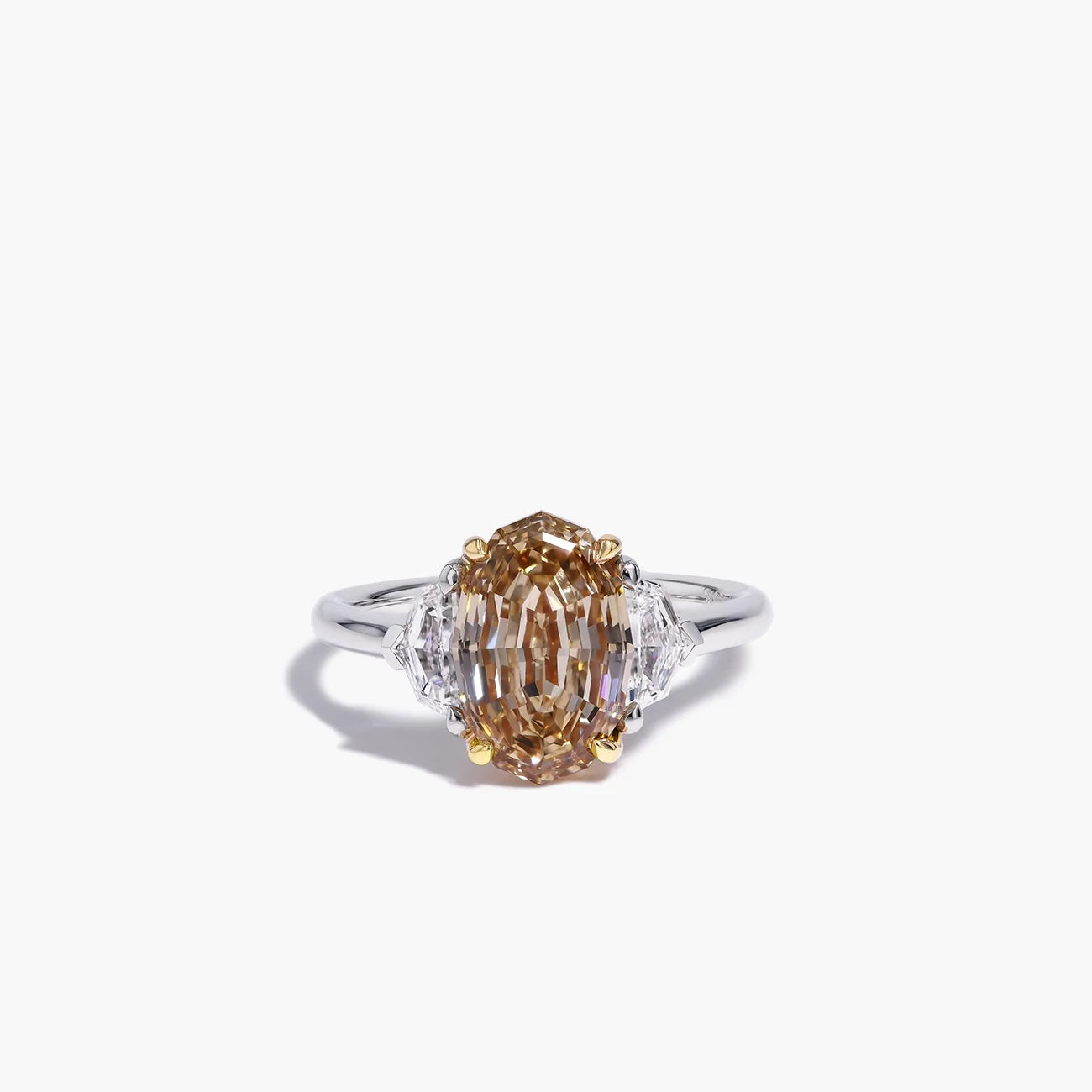
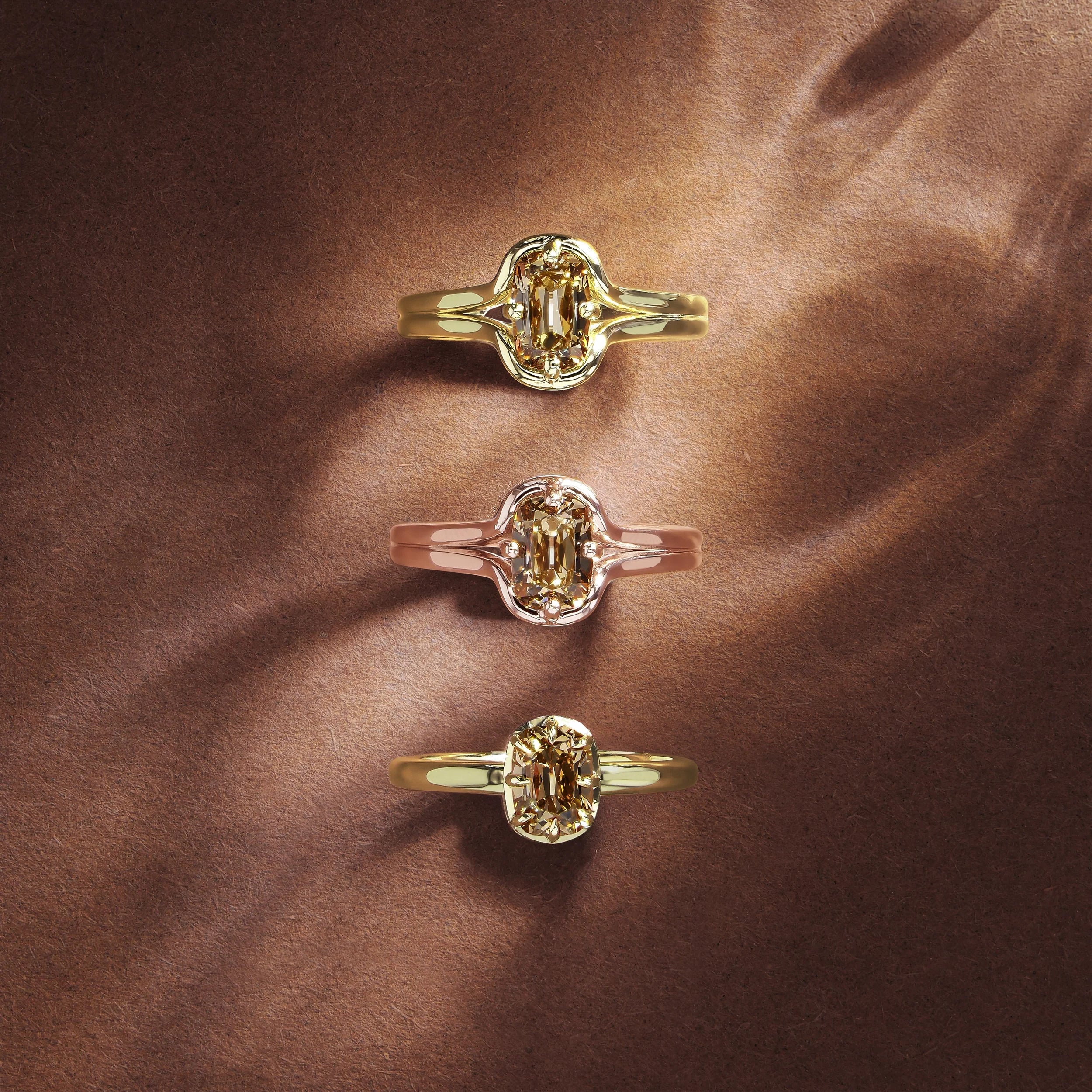
JEWELRY EDUCATION  ·  DIAMOND BUYING GUIDE Not every diamond needs to be colorless to look incredible. From subtle softness to rich golden warmth, here's what diamond color actually looks like in real life.   Most people looking at diamonds don't say it out loud, but the question is there: do lower color grades actually look bad? That's the wrong question. The right one is: what does each grade actually look like? Most people aren't choosing between good and bad. They're choosing between different kinds of beauty.   The spectrum, plainly stated Diamond color runs from D (colorless) down through the alphabet. From I onward, you're not moving toward inferior,  you're moving through a range of warmth:   I and J: still very white These are near-colorless. To most people, in most lighting, they look white. The difference from a D or E is largely academic unless you're comparing them side by side in a grading environment. You get strong brightness, better value, and a slightly more organic feel. K through M: where warmth becomes visible This is where most people notice a shift and that's where things get interesting. Warmth is visible but balanced. These grades house some of the most compelling diamonds on the market. Not technically perfect, but often far more compelling in person than the charts suggest. A K color diamond in the right cut can look better than a D in the wrong one. N through P: choosing color, not avoiding it Soft yellow, light champagne tones. At this point you're not trying to minimize warmth — you're selecting it. The framing shifts from "how white is it" to "do I love this color." Q through T: rich and golden These show clear yellow tones, but they're priced as white diamonds, not fancy yellows. This range isn't for someone stretching toward a larger colorless stone — it's for someone who genuinely prefers the look of warm golden color without paying fancy color premiums. De Beers has given this end of the spectrum a name worth knowing: Desert Diamonds. The palette runs from warm whites and champagne through amber and honey tones, each one a product of billions of years of natural formation. Award-winning designer Robert Pelliccia's U/V GIA Certified Engagement Ring The shift has been quiet but consistent. For decades, the engagement ring conversation began and ended at colorless; D, E, F, full stop. That's changing. Younger buyers in particular are arriving with a different set of priorities: character over clinical perfection, individuality over conformity to a grading chart. Warm diamonds feel earned, natural, specific to the person wearing them. The same sensibility driving interest in antique cuts and hand-forged settings is pushing color grades that were once considered compromises into genuine first choices. It's less about budget and more about point of view. Why more people are choosing warmer grades Warmer diamonds feel more natural, more individual, less manufactured. Part of it is taste, part of it is economics, part of it is a broader shift away from the idea that D-IF is the only kind of beautiful. Antique cuts, old mines, and rose cuts tend to wear warmth especially well, since their facet patterns were designed before electric light and diffuse color beautifully. Among the warmest whites, cognac diamonds have emerged as a category worth knowing. Rich, toasty, and unmistakably warm, they sit at the deeper end of the natural color spectrum — not quite fancy brown, not quite champagne, but something altogether their own. The tone reads differently depending on the setting metal: in rose gold it turns honeyed and romantic, in yellow gold it deepens toward amber. Clients who discover cognac diamonds rarely go back to asking for colorless.   There isn't one correct color. There's what looks right to you — in your setting, in your light, against your skin. That's the only spec that matters.
Apr 06, 2026

What I, J, K, and Lower Color Diamonds Really Look Like

JEWELRY EDUCATION  ·  DIAMOND BUYING GUIDE Not every diamond needs to be colorless to look incredible. From subtle softness to rich golden warmth, here's what diamond color actually looks like...

A Masterpiece of Zambian Emeralds
This extraordinary necklace celebrates the vivid beauty of Zambian emeralds and the precision of fine craftsmanship. Handcrafted in 18K white gold, it features 52 pear-shaped emeralds totaling 47.32 carats, each one perfectly matched for color and clarity. Accented by 14.68 carats of pear-shaped diamonds, the piece captures a rare balance of brilliance, contrast, and refinement. The Art of Balance Pairing emeralds and diamonds requires an understanding of proportion and tone. In this necklace, every gemstone has been placed with intention. The emeralds display a pure green color that captures light from every angle. Between them, the pear-shaped diamonds add a crisp brilliance that complements the emeralds beautifully. The pattern of alternating shapes creates a smooth rhythm along the neckline. Each stone works in harmony with the next, forming a continuous flow of light. The design feels balanced, refined, and timeless. The Beauty of Zambian Emeralds Zambian emeralds are known for their strength of color and natural clarity. Their tone often carries a cooler hint of blue, giving them a depth that distinguishes them from emeralds found elsewhere. This quality brings life to the necklace, allowing each gem to show its natural character. Matching 52 emeralds for both color and shape is a process that takes time and patience. Each one must align perfectly with the others to achieve a consistent look. The result is a seamless arrangement where no single stone stands out, yet every one contributes to the beauty of the piece. A Statement of Grace and Strength Emeralds have long been symbols of beauty and renewal, but this necklace adds a modern sense of strength. The vivid green of the stones, combined with the precise sparkle of diamonds, gives the piece both presence and poise. When worn, it reflects light with subtle movement, creating a glow rather than a glare. The necklace feels bold yet elegant, making it an ideal choice for someone who appreciates jewelry that makes an impression without needing to announce itself.  
Nov 07, 2025

A Masterpiece of Zambian Emeralds

This extraordinary necklace celebrates the vivid beauty of Zambian emeralds and the precision of fine craftsmanship. Handcrafted in 18K white gold, it features 52 pear-shaped emeralds totaling 47.32 carats, each...