News

How to Buy a Responsibly Sourced Diamond: 5 Questions Every Buyer Should Ask
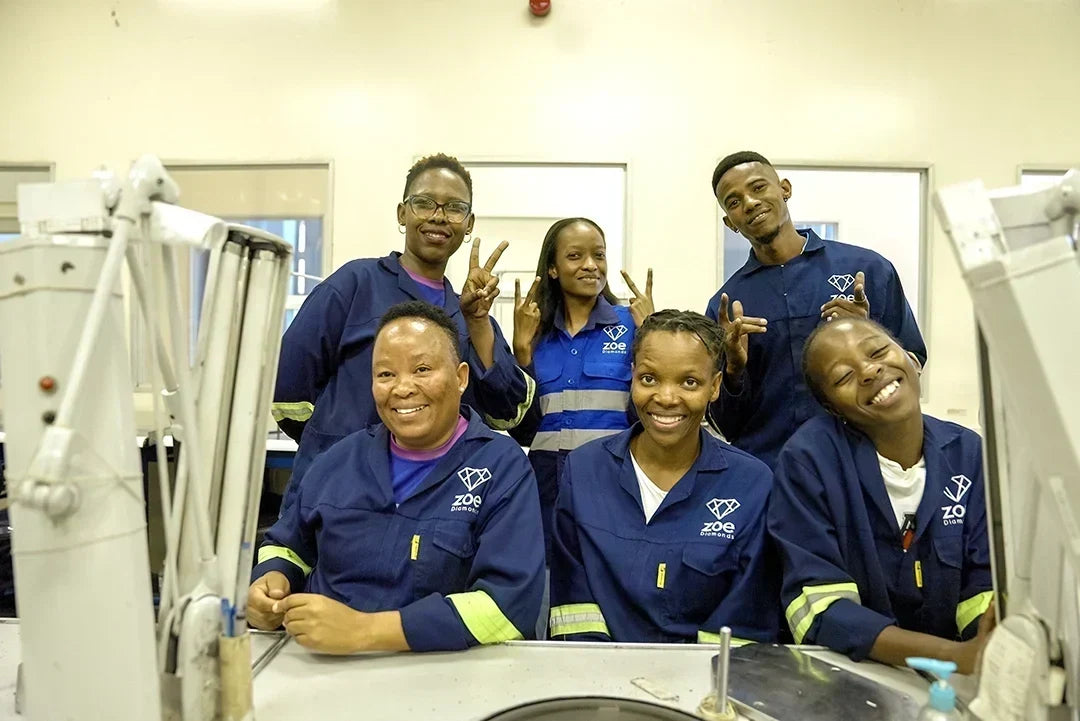
J.R. Dunn Jewelers Buying with Confidence A Transparency Checklist for Choosing a Diamond with Confidence The questions to ask before you trust the label. If you've started shopping for a diamond, you've probably seen words like ethical, sustainable, responsibly sourced, conflict-free, and carbon neutral. They're reassuring terms, but they don't always mean the same thing. There isn't one universal definition of a "responsibly sourced" diamond. Every company has its own messaging, and every buyer has different priorities. Rather than tell you what to believe, we'd rather give you the questions to ask. Whether you're considering a natural diamond or a lab-grown diamond, these five questions can help you make a more informed decision. "Ethical," "sustainable," and "conflict-free" aren't standardized terms. Ask how a company defines them before you trust the label. Apply the same scrutiny to natural and lab-grown diamonds alike. The jeweler who welcomes hard questions deserves your trust. Question 01 -- Can You Trace Where It Came From? The first question is the simplest, and often the most revealing: can someone actually show you where your diamond came from? For a natural diamond, ask about country of origin, mine of origin, blockchain traceability, and independent documentation of its journey from rough crystal to polished stone. For a lab-grown diamond, ask which country it was grown in, which company manufactured it, whether the production facility is identified, and whether any of that information has been independently verified. The more transparent the answer, the easier it is to make an informed decision. At minimum, every rough diamond has already passed through the Kimberley Process, the international scheme that certifies rough diamonds as conflict-free before they ever reach a cutter. But true traceability goes further than that baseline. Question 02 -- Who Benefits from Your Purchase? Every diamond supports someone. The question is: who? A responsibly sourced natural diamond can support miners, cutters, and polishers. Local businesses. Producing-country governments through taxes and royalties. Investments in schools, healthcare, infrastructure, and conservation. A lab-grown diamond may support manufacturers, engineers, factory employees, technology companies, and equipment suppliers. Neither answer is inherently right or wrong. Understanding where your money goes is simply part of understanding what you're buying. " Good journalism doesn't stop after hearing one side of the story. Neither should consumers. Question 03 -- How Transparent Are the Claims? If a company says its diamonds are ethical or sustainable, don't be afraid to ask a few follow-up questions. Who verified those claims? Are they independently audited? Can you see the documentation? Is the company transparent about both the strengths and the limitations of its supply chain? The best answers acknowledge complexity. Transparency should be easy to demonstrate, not just easy to advertise. Question 04 -- Are the Same Standards Applied? Much of the public conversation focuses on the environmental impact of mining, and that's a worthwhile discussion. But consumers should apply the same level of curiosity to every product they're offered, regardless of how it was created. What energy sources power production? Are environmental claims independently verified? How are emissions measured? What does the broader supply chain look like? The goal isn't to prove one product is better than another. It's to evaluate competing claims using the same standard. Question 05 -- What Isn't Being Discussed? Sometimes the most important questions are the ones that aren't being asked. How transparent is the full supply chain behind this diamond? Who benefits economically from your purchase? What information has been independently verified? What perspectives might be missing from the marketing? The companies that earn your trust should be the ones that welcome these questions, not the ones that only offer reassuring answers. What Responsibility Means to You There Isn't One Definition For some people, responsibility means minimizing environmental impact. For others, it means supporting communities where natural resources are found. Others place the highest value on traceability, transparency, or affordability. For some, avoiding new mining altogether is what matters most, which is part of why antique old mine cut diamonds have their own devoted following. Those priorities are personal. What's important is having enough information to make a decision that aligns with your own values. Five questions to ask 01 Can you trace where it came from? 02 Who benefits from the purchase? 03 How transparent are the claims? 04 Are the same standards applied? 05 What isn't being discussed? Where We Stand at J.R. Dunn We believe transparency is more valuable than marketing. These are the commitments we've made, and the work we're still doing. Blockchain Traceability We offer blockchain-traced natural diamonds across many of our engagement rings and push our suppliers toward making this the industry standard, not the exception. Livelihoods & Giving Back Diamonds support honorable careers throughout the supply chain. We believe companies have a responsibility to reinvest in education, healthcare, and infrastructure in the communities that make our industry possible. Beneficiation Countries blessed with natural resources should also share in the value created from them, rather than exporting only raw materials while manufacturing happens elsewhere. Zoe Diamonds, Botswana Our partnership with Zoe Diamonds keeps more of the value chain in Botswana, from rough diamond ownership through cutting and polishing by local craftspeople. De Beers Best Practice Principles We work with suppliers who participate in the De Beers Best Practice Principles (BPP), an audited program covering business ethics, human rights, labor, and environmental stewardship. We see it as one part of a continual effort to raise standards, not a finish line. One Standard for Every Diamond Natural or lab-grown, we believe every diamond deserves the same transparency about where it came from, what powered its creation, and who benefits from its sale. Our Commitment to Transparency We're not searching for the most reassuring story. We're searching for the most honest one. We carry both natural and lab-grown diamonds, because they're the right choice for different customers. We choose not to make broad claims that either is inherently more ethical or environmentally friendly than the other. Those are complex questions that deserve transparent, independently verifiable evidence, not marketing slogans. Every diamond deserves the same level of scrutiny. If someone tells you a diamond is ethical, sustainable, responsible, or environmentally friendly, ask them to show you why. Ask where it came from. Ask who benefits. Ask how the claims were verified. The companies that earn your trust should be the ones that welcome those questions. 01 Transparency is more valuable than marketing. 02 Natural diamonds support real livelihoods when sourced responsibly. 03 Every diamond deserves the same standard of scrutiny. Find the diamond whose storyyou can follow. Browse our collection of blockchain-traced natural diamonds, or speak with one of our specialists.We welcome every question you bring. Shop Engagement Rings Talk to a Specialist 4210 N Federal Hwy, Lighthouse Point, FL 33064 · (954) 782-5000 · jrdunn.com
Aug 07, 2026

How to Buy a Responsibly Sourced Diamond: 5 Questions Every Buyer Should Ask

J.R. Dunn Jewelers Buying with Confidence A Transparency Checklist for Choosing a Diamond with Confidence The questions to ask before you trust the label. If you've started shopping for a...
What I, J, K, and Lower Color Diamonds Really Look Like
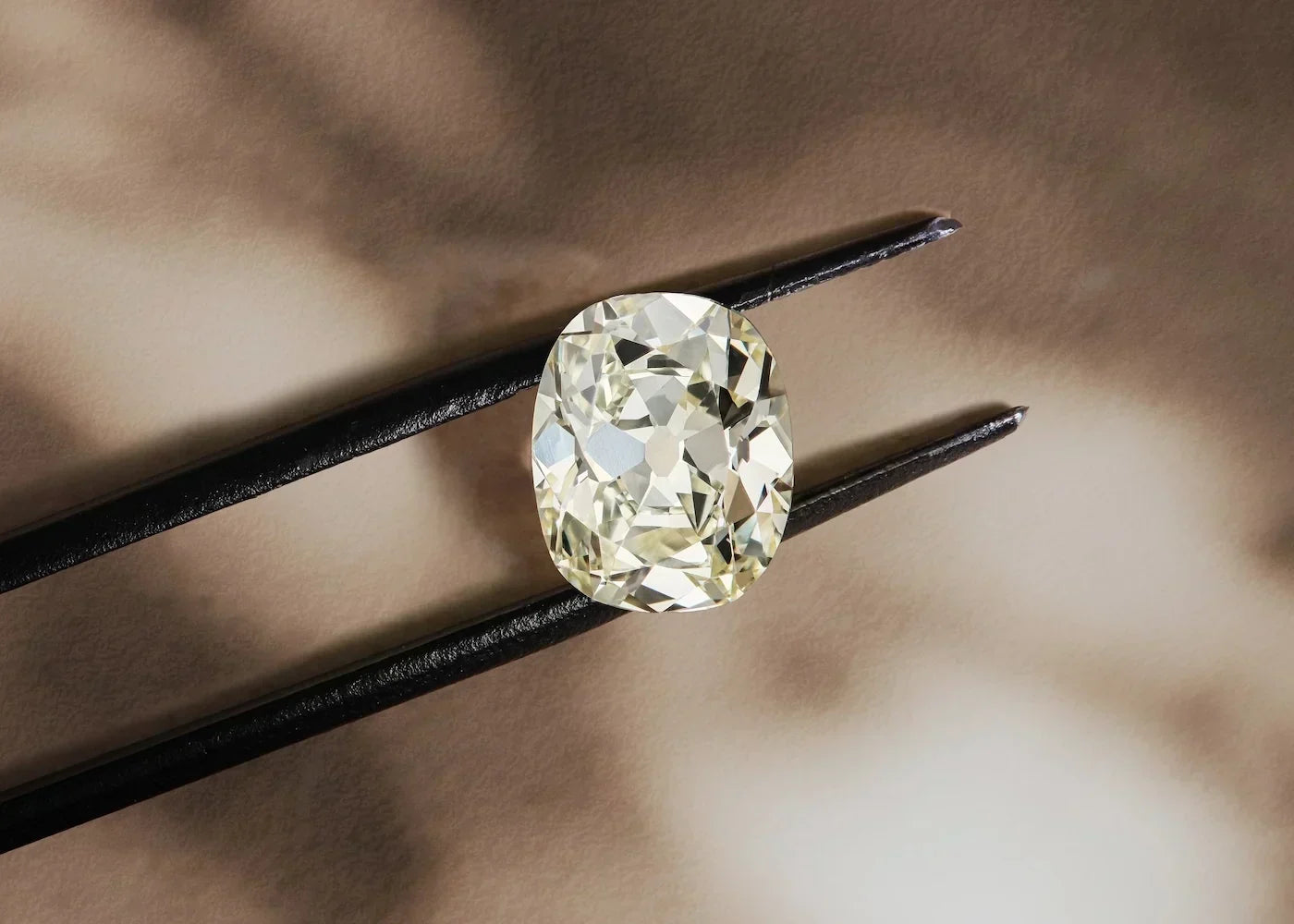
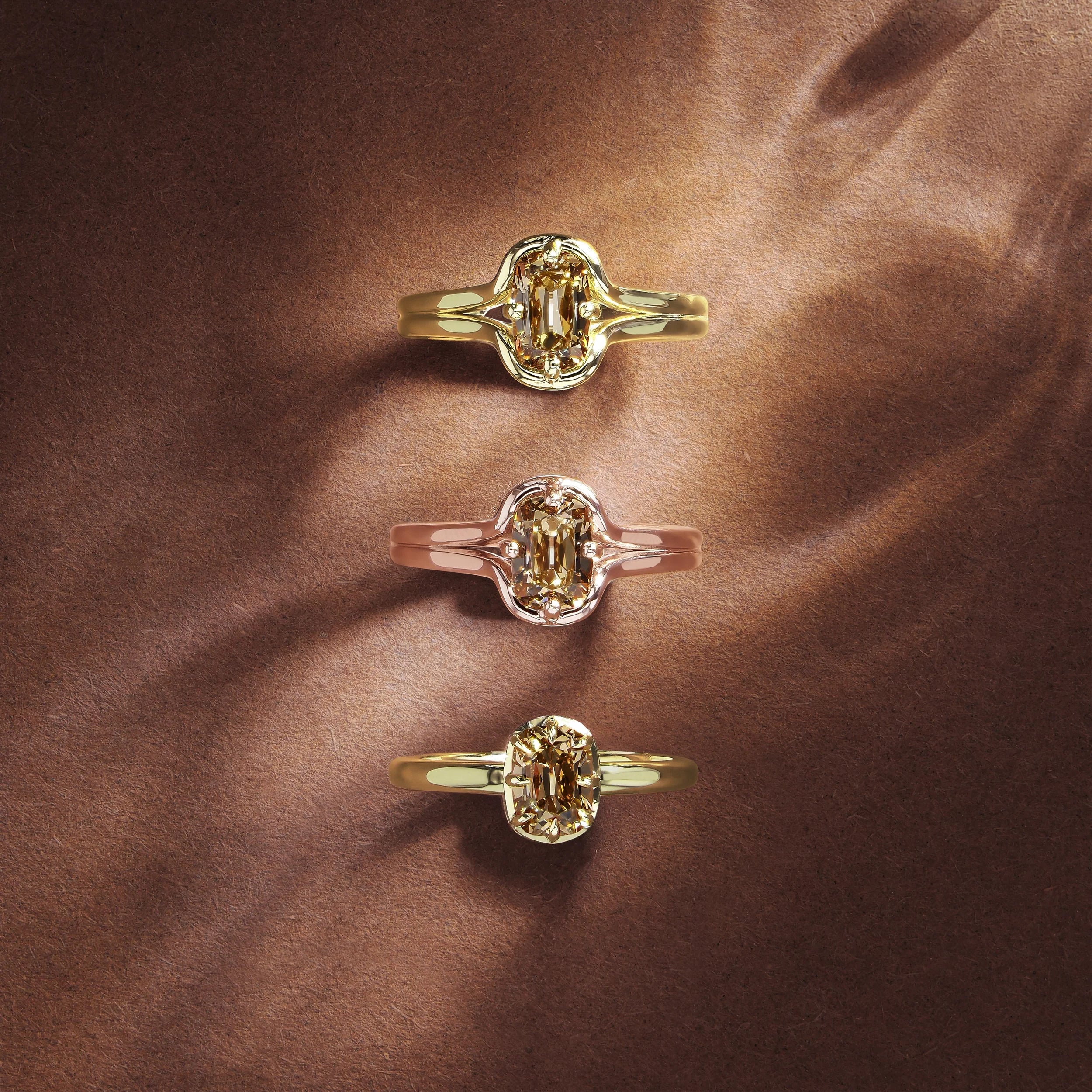
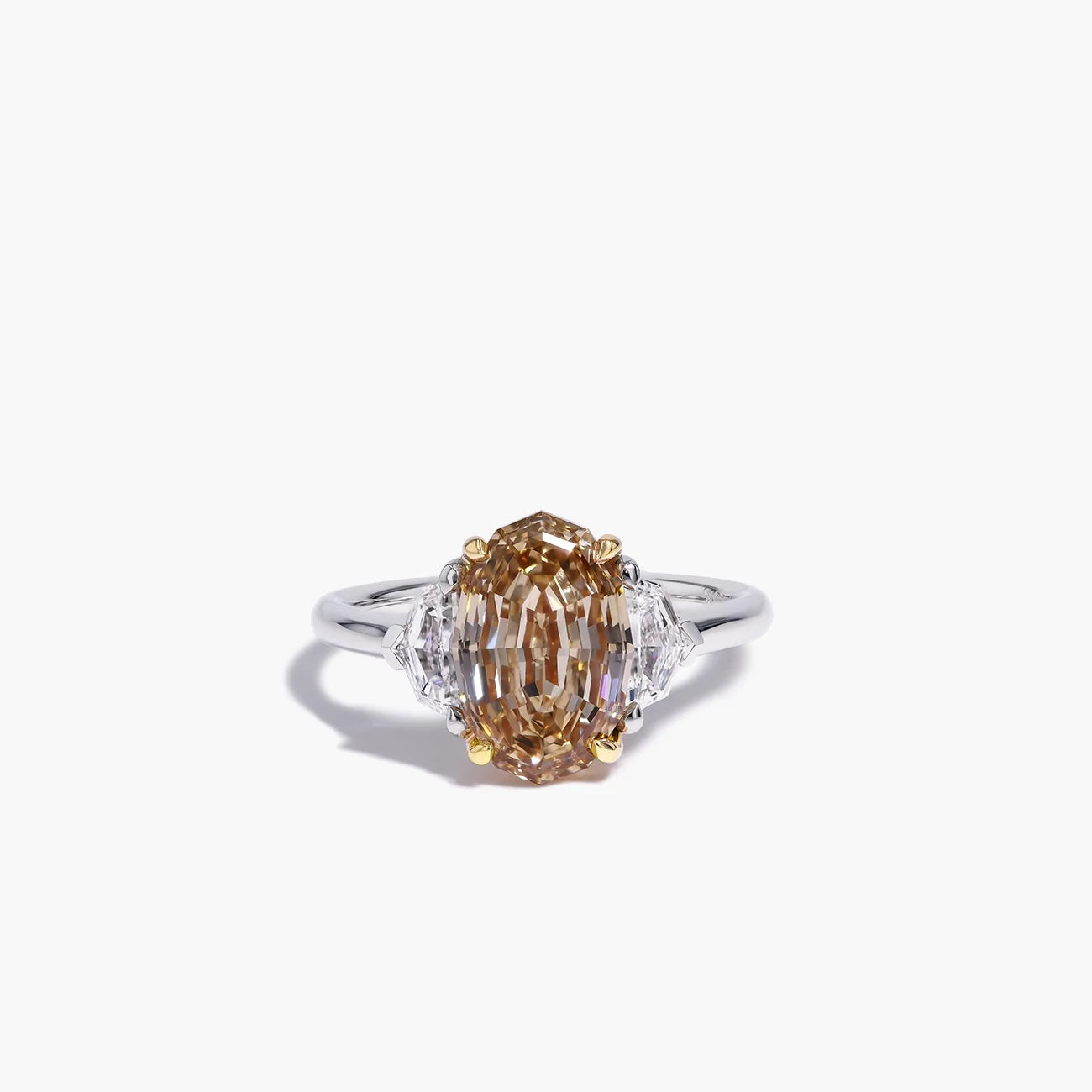
JEWELRY EDUCATION  ·  DIAMOND BUYING GUIDE Not every diamond needs to be colorless to look incredible. From subtle softness to rich golden warmth, here's what diamond color actually looks like in real life.   Most people looking at diamonds don't say it out loud, but the question is there: do lower color grades actually look bad? That's the wrong question. The right one is: what does each grade actually look like? Most people aren't choosing between good and bad. They're choosing between different kinds of beauty.   The spectrum, plainly stated Diamond color runs from D (colorless) down through the alphabet. From I onward, you're not moving toward inferior,  you're moving through a range of warmth:   I and J: still very white These are near-colorless. To most people, in most lighting, they look white. The difference from a D or E is largely academic unless you're comparing them side by side in a grading environment. You get strong brightness, better value, and a slightly more organic feel. K through M: where warmth becomes visible This is where most people notice a shift and that's where things get interesting. Warmth is visible but balanced. These grades house some of the most compelling diamonds on the market. Not technically perfect, but often far more compelling in person than the charts suggest. A K color diamond in the right cut can look better than a D in the wrong one. N through P: choosing color, not avoiding it Soft yellow, light champagne tones. At this point you're not trying to minimize warmth — you're selecting it. The framing shifts from "how white is it" to "do I love this color." Q through T: rich and golden These show clear yellow tones, but they're priced as white diamonds, not fancy yellows. This range isn't for someone stretching toward a larger colorless stone — it's for someone who genuinely prefers the look of warm golden color without paying fancy color premiums. De Beers has given this end of the spectrum a name worth knowing: Desert Diamonds. The palette runs from warm whites and champagne through amber and honey tones, each one a product of billions of years of natural formation. Award-winning designer Robert Pelliccia's U/V GIA Certified Engagement Ring The shift has been quiet but consistent. For decades, the engagement ring conversation began and ended at colorless; D, E, F, full stop. That's changing. Younger buyers in particular are arriving with a different set of priorities: character over clinical perfection, individuality over conformity to a grading chart. Warm diamonds feel earned, natural, specific to the person wearing them. The same sensibility driving interest in antique cuts and hand-forged settings is pushing color grades that were once considered compromises into genuine first choices. It's less about budget and more about point of view. Why more people are choosing warmer grades Warmer diamonds feel more natural, more individual, less manufactured. Part of it is taste, part of it is economics, part of it is a broader shift away from the idea that D-IF is the only kind of beautiful. Antique cuts, old mines, and rose cuts tend to wear warmth especially well, since their facet patterns were designed before electric light and diffuse color beautifully. Among the warmest whites, cognac diamonds have emerged as a category worth knowing. Rich, toasty, and unmistakably warm, they sit at the deeper end of the natural color spectrum — not quite fancy brown, not quite champagne, but something altogether their own. The tone reads differently depending on the setting metal: in rose gold it turns honeyed and romantic, in yellow gold it deepens toward amber. Clients who discover cognac diamonds rarely go back to asking for colorless.   There isn't one correct color. There's what looks right to you — in your setting, in your light, against your skin. That's the only spec that matters.
Apr 06, 2026

What I, J, K, and Lower Color Diamonds Really Look Like

JEWELRY EDUCATION  ·  DIAMOND BUYING GUIDE Not every diamond needs to be colorless to look incredible. From subtle softness to rich golden warmth, here's what diamond color actually looks like...

A Masterpiece of Zambian Emeralds
This extraordinary necklace celebrates the vivid beauty of Zambian emeralds and the precision of fine craftsmanship. Handcrafted in 18K white gold, it features 52 pear-shaped emeralds totaling 47.32 carats, each one perfectly matched for color and clarity. Accented by 14.68 carats of pear-shaped diamonds, the piece captures a rare balance of brilliance, contrast, and refinement. The Art of Balance Pairing emeralds and diamonds requires an understanding of proportion and tone. In this necklace, every gemstone has been placed with intention. The emeralds display a pure green color that captures light from every angle. Between them, the pear-shaped diamonds add a crisp brilliance that complements the emeralds beautifully. The pattern of alternating shapes creates a smooth rhythm along the neckline. Each stone works in harmony with the next, forming a continuous flow of light. The design feels balanced, refined, and timeless. The Beauty of Zambian Emeralds Zambian emeralds are known for their strength of color and natural clarity. Their tone often carries a cooler hint of blue, giving them a depth that distinguishes them from emeralds found elsewhere. This quality brings life to the necklace, allowing each gem to show its natural character. Matching 52 emeralds for both color and shape is a process that takes time and patience. Each one must align perfectly with the others to achieve a consistent look. The result is a seamless arrangement where no single stone stands out, yet every one contributes to the beauty of the piece. A Statement of Grace and Strength Emeralds have long been symbols of beauty and renewal, but this necklace adds a modern sense of strength. The vivid green of the stones, combined with the precise sparkle of diamonds, gives the piece both presence and poise. When worn, it reflects light with subtle movement, creating a glow rather than a glare. The necklace feels bold yet elegant, making it an ideal choice for someone who appreciates jewelry that makes an impression without needing to announce itself.  
Nov 07, 2025

A Masterpiece of Zambian Emeralds

This extraordinary necklace celebrates the vivid beauty of Zambian emeralds and the precision of fine craftsmanship. Handcrafted in 18K white gold, it features 52 pear-shaped emeralds totaling 47.32 carats, each...