How to Buy a Responsibly Sourced Diamond: 5 Questions Every Buyer Should Ask
J.R. Dunn Jewelers
Buying with Confidence
A Transparency Checklist
for Choosing a Diamond
with Confidence
The questions to ask before you trust the label.
If you've started shopping for a diamond, you've probably seen words like ethical, sustainable, responsibly sourced, conflict-free, and carbon neutral. They're reassuring terms, but they don't always mean the same thing. There isn't one universal definition of a "responsibly sourced" diamond. Every company has its own messaging, and every buyer has different priorities. Rather than tell you what to believe, we'd rather give you the questions to ask. Whether you're considering a natural diamond or a lab-grown diamond, these five questions can help you make a more informed decision.
"Ethical," "sustainable," and "conflict-free" aren't standardized terms.
Ask how a company defines them before you trust the label.
Apply the same scrutiny to natural and lab-grown diamonds alike.
The jeweler who welcomes hard questions deserves your trust.
Question 01 -- Can You Trace Where It Came From?
The first question is the simplest, and often the most revealing: can someone actually show you where your diamond came from?
For a natural diamond, ask about country of origin, mine of origin, blockchain traceability, and independent documentation of its journey from rough crystal to polished stone.
For a lab-grown diamond, ask which country it was grown in, which company manufactured it, whether the production facility is identified, and whether any of that information has been independently verified.
The more transparent the answer, the easier it is to make an informed decision. At minimum, every rough diamond has already passed through the Kimberley Process, the international scheme that certifies rough diamonds as conflict-free before they ever reach a cutter. But true traceability goes further than that baseline.
Question 02 -- Who Benefits from Your Purchase?
Every diamond supports someone. The question is: who?
A responsibly sourced natural diamond can support miners, cutters, and polishers. Local businesses. Producing-country governments through taxes and royalties. Investments in schools, healthcare, infrastructure, and conservation.
A lab-grown diamond may support manufacturers, engineers, factory employees, technology companies, and equipment suppliers.
Neither answer is inherently right or wrong.
Understanding where your money goes is simply part of understanding what you're buying.
"
Good journalism doesn't stop after hearing one side of the story. Neither should consumers.
Question 03 -- How Transparent Are the Claims?
If a company says its diamonds are ethical or sustainable, don't be afraid to ask a few follow-up questions. Who verified those claims? Are they independently audited? Can you see the documentation?
Is the company transparent about both the strengths and the limitations of its supply chain? The best answers acknowledge complexity. Transparency should be easy to demonstrate, not just easy to advertise.
Question 04 -- Are the Same Standards Applied?
Much of the public conversation focuses on the environmental impact of mining, and that's a worthwhile discussion. But consumers should apply the same level of curiosity to every product they're offered, regardless of how it was created.
What energy sources power production? Are environmental claims independently verified? How are emissions measured? What does the broader supply chain look like? The goal isn't to prove one product is better than another. It's to evaluate competing claims using the same standard.
Question 05 -- What Isn't Being Discussed?
Sometimes the most important questions are the ones that aren't being asked. How transparent is the full supply chain behind this diamond? Who benefits economically from your purchase? What information has been independently verified? What perspectives might be missing from the marketing?
The companies that earn your trust should be the ones that welcome these questions, not the ones that only offer reassuring answers.
What Responsibility Means to You
There Isn't One Definition
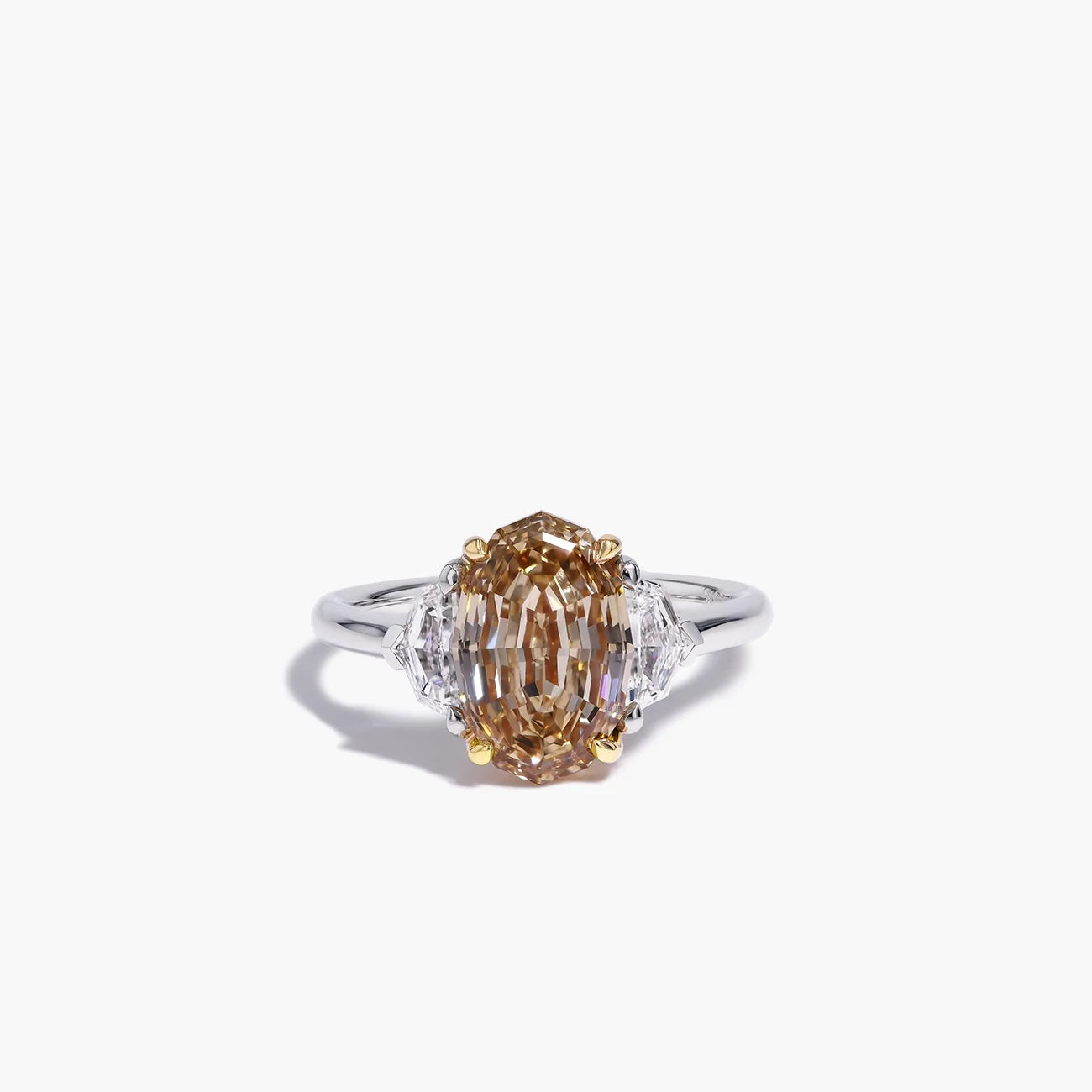
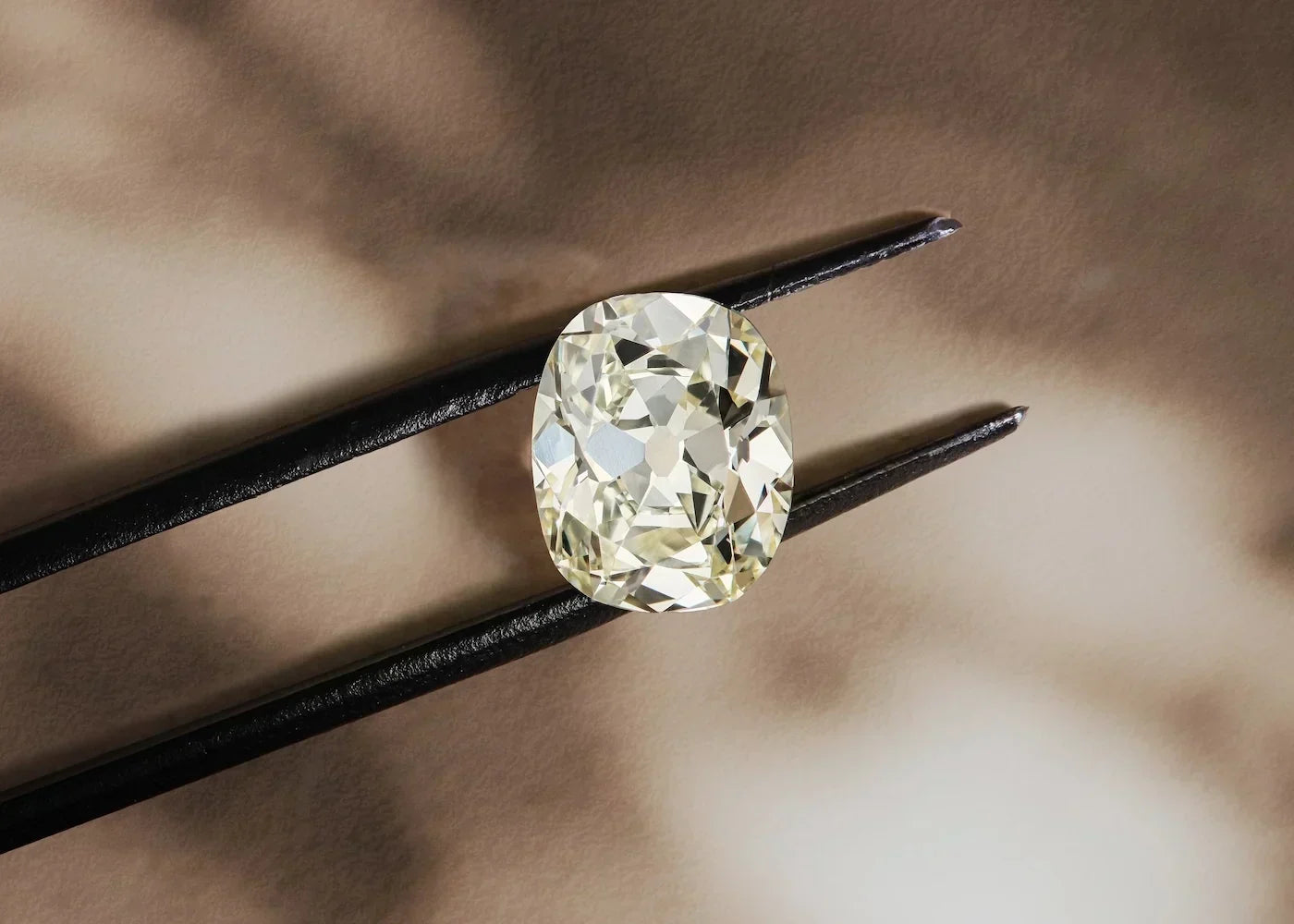
For some people, responsibility means minimizing environmental impact. For others, it means supporting communities where natural resources are found. Others place the highest value on traceability, transparency, or affordability. For some, avoiding new mining altogether is what matters most, which is part of why antique old mine cut diamonds have their own devoted following. Those priorities are personal. What's important is having enough information to make a decision that aligns with your own values.
Five questions to ask
01
Can you trace where it came from?
02
Who benefits from the purchase?
03
How transparent are the claims?
04
Are the same standards applied?
05
What isn't being discussed?
Where We Stand at J.R. Dunn
We believe transparency is more valuable than marketing. These are the commitments we've made, and the work we're still doing.
Blockchain Traceability
We offer blockchain-traced natural diamonds across many of our engagement rings and push our suppliers toward making this the industry standard, not the exception.
Livelihoods & Giving Back
Diamonds support honorable careers throughout the supply chain. We believe companies have a responsibility to reinvest in education, healthcare, and infrastructure in the communities that make our industry possible.
Beneficiation
Countries blessed with natural resources should also share in the value created from them, rather than exporting only raw materials while manufacturing happens elsewhere.
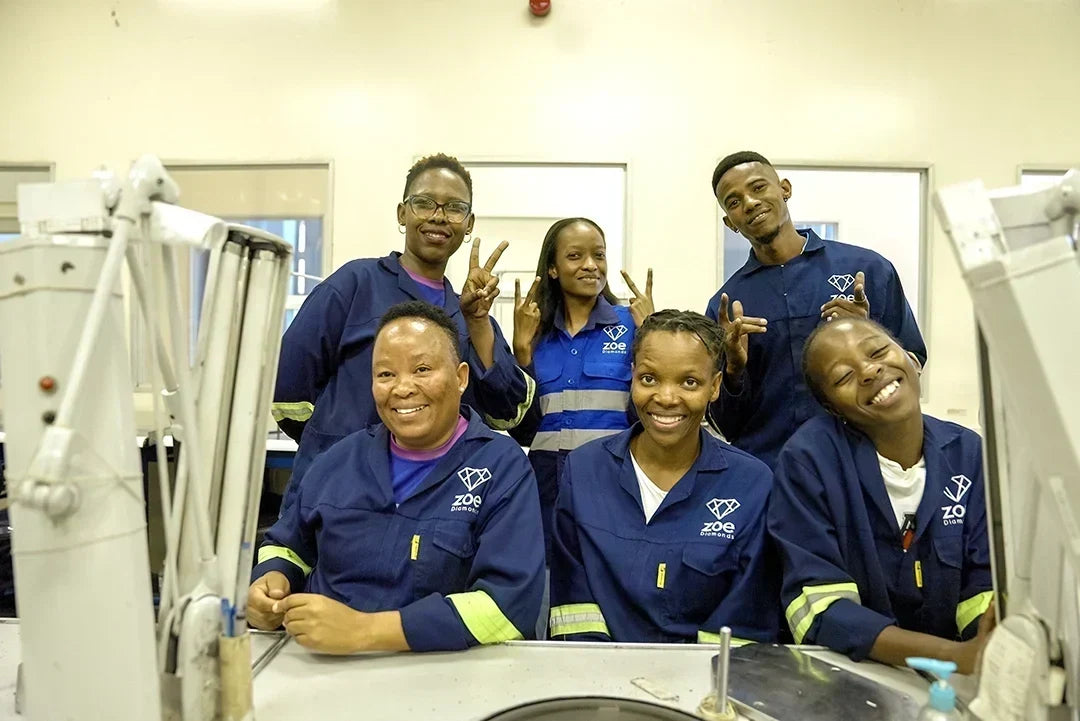
Zoe Diamonds, Botswana
Our partnership with Zoe Diamonds keeps more of the value chain in Botswana, from rough diamond ownership through cutting and polishing by local craftspeople.
De Beers Best Practice Principles
We work with suppliers who participate in the De Beers
Best Practice Principles (BPP), an audited program covering business ethics, human rights, labor, and environmental stewardship. We see it as one part of a continual effort to raise standards, not a finish line.
One Standard for Every Diamond
Natural or lab-grown, we believe every diamond deserves the same transparency about where it came from, what powered its creation, and who benefits from its sale.
Our Commitment to Transparency
We're not searching for the most reassuring story. We're searching for the most honest one.
We carry both natural and lab-grown diamonds, because they're the right choice for different customers. We choose not to make broad claims that either is inherently more ethical or environmentally friendly than the other. Those are complex questions that deserve transparent, independently verifiable evidence, not marketing slogans.
Every diamond deserves the same level of scrutiny. If someone tells you a diamond is ethical, sustainable, responsible, or environmentally friendly, ask them to show you why. Ask where it came from. Ask who benefits. Ask how the claims were verified. The companies that earn your trust should be the ones that welcome those questions.
01
Transparency is more valuable than marketing.
02
Natural diamonds support real livelihoods when sourced responsibly.
03
Every diamond deserves the same standard of scrutiny.
Find the diamond whose storyyou can follow.
Browse our collection of blockchain-traced natural diamonds, or speak with one of our specialists.We welcome every question you bring.
Shop Engagement Rings
Talk to a Specialist
4210 N Federal Hwy, Lighthouse Point, FL 33064
·
(954) 782-5000
·
jrdunn.com