What I, J, K, and Lower Color Diamonds Really Look Like
JEWELRY EDUCATION · DIAMOND BUYING GUIDE
Not every diamond needs to be colorless to look incredible. From subtle softness to rich golden warmth, here's what diamond color actually looks like in real life.
Most people looking at diamonds don't say it out loud, but the question is there: do lower color grades actually look bad?
That's the wrong question. The right one is: what does each grade actually look like? Most people aren't choosing between good and bad. They're choosing between different kinds of beauty.
The spectrum, plainly stated
Diamond color runs from D (colorless) down through the alphabet. From I onward, you're not moving toward inferior, you're moving through a range of warmth:
I and J: still very white
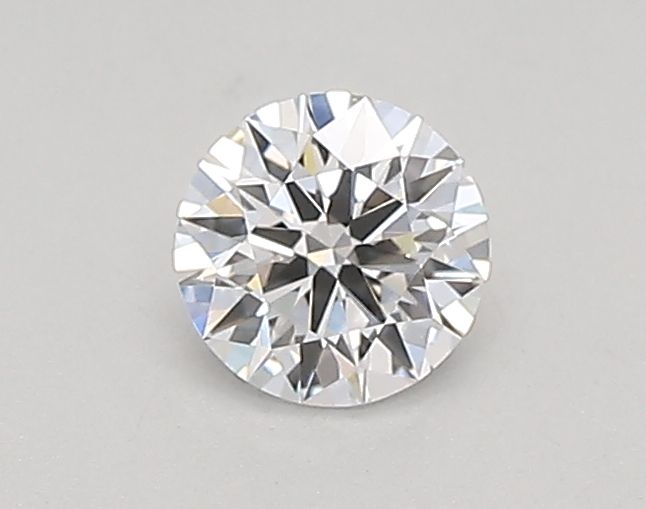
These are near-colorless. To most people, in most lighting, they look white. The difference from a D or E is largely academic unless you're comparing them side by side in a grading environment. You get strong brightness, better value, and a slightly more organic feel.
K through M: where warmth becomes visible
This is where most people notice a shift and that's where things get interesting. Warmth is visible but balanced. These grades house some of the most compelling diamonds on the market. Not technically perfect, but often far more compelling in person than the charts suggest.
A K color diamond in the right cut can look better than a D in the wrong one.
N through P: choosing color, not avoiding it
Soft yellow, light champagne tones. At this point you're not trying to minimize warmth — you're selecting it. The framing shifts from "how white is it" to "do I love this color."
Q through T: rich and golden
These show clear yellow tones, but they're priced as white diamonds, not fancy yellows. This range isn't for someone stretching toward a larger colorless stone — it's for someone who genuinely prefers the look of warm golden color without paying fancy color premiums. De Beers has given this end of the spectrum a name worth knowing: Desert Diamonds. The palette runs from warm whites and champagne through amber and honey tones, each one a product of billions of years of natural formation.
Award-winning designer Robert Pelliccia's U/V GIA Certified Engagement Ring
The shift has been quiet but consistent. For decades, the engagement ring conversation began and ended at colorless; D, E, F, full stop. That's changing. Younger buyers in particular are arriving with a different set of priorities: character over clinical perfection, individuality over conformity to a grading chart. Warm diamonds feel earned, natural, specific to the person wearing them. The same sensibility driving interest in antique cuts and hand-forged settings is pushing color grades that were once considered compromises into genuine first choices. It's less about budget and more about point of view.
Why more people are choosing warmer grades
Warmer diamonds feel more natural, more individual, less manufactured. Part of it is taste, part of it is economics, part of it is a broader shift away from the idea that D-IF is the only kind of beautiful. Antique cuts, old mines, and rose cuts tend to wear warmth especially well, since their facet patterns were designed before electric light and diffuse color beautifully.
Among the warmest whites, cognac diamonds have emerged as a category worth knowing. Rich, toasty, and unmistakably warm, they sit at the deeper end of the natural color spectrum — not quite fancy brown, not quite champagne, but something altogether their own. The tone reads differently depending on the setting metal: in rose gold it turns honeyed and romantic, in yellow gold it deepens toward amber. Clients who discover cognac diamonds rarely go back to asking for colorless.
There isn't one correct color. There's what looks right to you — in your setting, in your light, against your skin. That's the only spec that matters.