
Lab Grown vs Natural Diamond: Which One Is Right for You?
Choosing a diamond is one of the most meaningful things you'll ever do, and right now there's a real question on most people's minds: lab grown or natural? Both are genuine diamonds, graded on identical standards. But they're not the same thing, and once you understand where they actually differ, in origin, rarity, and long-term value, the right choice for you gets a lot clearer.
Lab Grown vs Natural Diamond at a Glance
Both lab grown and natural diamonds share the same chemical composition and physical properties. Where they differ is in how they were created, how long that took, and what that means for price and long-term value. Here's a quick side-by-side to help you get your bearings.
| Category | Lab Grown Diamond | Natural Diamond | Moissanite |
|---|---|---|---|
| Origin | Grown in a laboratory | Formed deep in the Earth's mantle | Lab-created silicon carbide |
| Formation Time | Weeks to a few months | 1 to 3 billion years | Weeks |
| Chemical Composition | Pure carbon | Pure carbon | Silicon carbide (not a diamond) |
| Visual Difference | Identical to natural diamond | Identical to lab grown diamond | Colorful "rainbow" sparkle |
| Price (Relative) | 60-80% less than natural | Full market price | 70-90% less than lab diamond |
| Resale Value | Uncertain, minimal | approx. 60% of retail | Minimal |
| Certification | IGI certified | GIA or IGI certified | Manufacturer graded |
| Best For | Prioritizing size of the diamond, with a low budget | Rarity, provenance, and long-term value | Maximum sparkle at lowest cost |
For most people, this decision comes down to what the stone means to you beyond how it looks. Natural diamonds carry rarity, provenance, and long-term value that can't be manufactured. Lab grown diamonds offer a lower price point if you're prioritizing size or budget over those qualities. Moissanite is a separate gemstone entirely, not a lab diamond, and we'll cover it in its own section below.
What Is a Lab Grown Diamond?
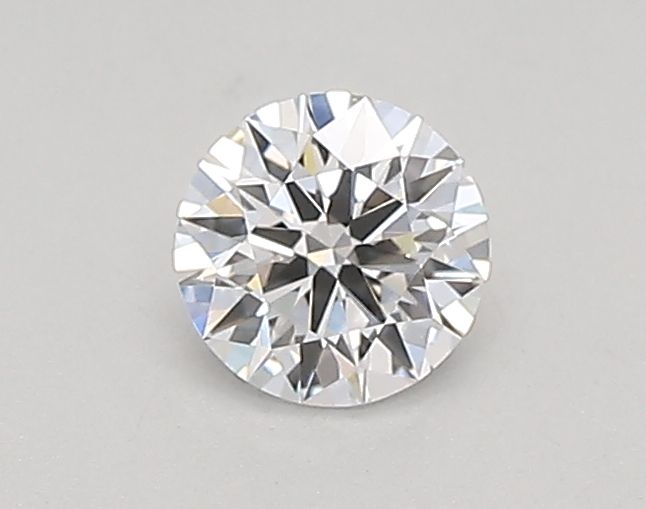
A lab grown diamond is a real diamond created in a controlled laboratory environment using one of two methods: High Pressure High Temperature (HPHT) or Chemical Vapor Deposition (CVD). The result is a stone that's chemically, physically, and optically identical to a natural diamond. It takes weeks to a few months to grow, compared to the billions of years required underground. Lab grown diamonds aren't simulants and aren't the same as cubic zirconia or moissanite. Chemically, they're diamonds. What they're not is rare.
HPHT replicates the intense pressure and heat conditions found deep in the Earth. A small diamond seed is placed under extreme force alongside a carbon source, and a diamond crystal grows outward from it. CVD works differently, building a diamond layer by layer inside a plasma chamber where carbon atoms are deposited onto a seed crystal. Both methods produce stones that meet the same grading standards as natural diamonds.
Lab grown diamonds are certified by the International Gemological Institute (IGI) using the 4Cs grading framework, the same cut, color, clarity, and carat standards used to evaluate natural diamonds. One thing worth knowing: GIA does not currently certify lab grown diamonds the way it does natural diamonds, so when you're shopping for a lab grown stone, IGI certification is what you're looking for.
If you're considering a lab grown diamond and want to talk through what to look for, our team is here to help.
Is a Lab Grown Diamond a Real Diamond?
Yes, a lab grown diamond is a real diamond. The Federal Trade Commission recognized lab diamonds as real diamonds in 2018. Lab grown diamonds are completely distinct from moissanite and cubic zirconia, which are different materials altogether and aren't diamonds.
The only way to tell a lab grown diamond apart from a natural one is with specialized gemological equipment that analyzes trace elements and growth patterns. A standard diamond tester won't catch it. Neither will your eye.
How Are Natural Diamonds Different?
Natural diamonds formed deep in the Earth's mantle over 1 to 3 billion years under extreme heat and pressure, then traveled to the surface through ancient volcanic eruptions. They're a finite, non-renewable resource, and no two are identical. That rarity is the foundation of their pricing and their long-term value.
Diamonds form roughly 100 miles below the Earth's surface. The oldest known natural diamonds are approximately 3.5 billion years old, predating most life on this planet. They arrive at the surface through kimberlite pipes, vertical columns of volcanic rock that act as a channel from the mantle. It's a journey that spans geological timescales no lab process can replicate.
Responsible sourcing matters, and it's something we take seriously at J.R. Dunn. The Kimberley Process, launched in 2003, is the international certification scheme that verifies the conflict-free status of rough diamonds. It's dramatically reduced the trade in conflict diamonds, with current compliance estimated above 99%. That said, it doesn't address every environmental or labor concern, so it's worth looking for a retailer who can speak to where their stones actually come from.
Origin Diamonds by De Beers Group
If you want the highest level of provenance and transparency, we're proud to carry Origin Diamonds by De Beers Group. Each stone is traced from mine to market using Tracr, De Beers' blockchain-powered traceability platform, and connected to the real human story of its journey. Every Origin Diamond carries a unique Code of Origin, is certified conflict-free, and is sourced from producer communities in Botswana, Namibia, and South Africa. It's the clearest answer we know to the question of where your diamond actually comes from.
Explore Origin DiamondsExplore our natural diamond engagement rings and find a stone with a story that spans billions of years.
Lab Grown vs Natural Diamond: Price and Value
As of 2024 through 2026, lab grown diamonds cost approximately 60 to 80 percent less than natural diamonds of a comparable grade. A 1-carat lab grown diamond that would cost $5,000 to $8,000 in natural form may retail for $800 to $2,000 in lab grown form. That's a real difference, and it's worth understanding what drives it and what it means for long-term value.
Lab grown diamond prices have dropped sharply as production has scaled, and that trend is continuing. Unlike natural diamonds, whose supply is finite and tied to geological availability, lab grown diamonds can be produced in unlimited quantities. That's exactly why the price gap exists, and it's also why resale value behaves so differently between the two.
Do Lab Grown Diamonds Hold Their Value?
Here's something we want to be upfront about: the resale value of lab grown diamonds is genuinely uncertain. Because production has scaled so quickly and prices have dropped so significantly, the secondary market for lab grown diamonds is still taking shape. We can't in good conscience give you a number, because the market itself doesn't have a settled answer yet. What we can tell you is that it's one of the real unknowns that comes with choosing a lab grown stone, and it's worth factoring in.
Natural diamonds typically resell at 20 to 60 percent of retail, with rare, high-quality, or well-documented stones sometimes holding value more strongly over decades. They're not a guaranteed investment, but their scarcity gives them a durability in the resale market that lab grown diamonds simply can't match right now.
If you're buying something you plan to wear every day and hopefully pass down one day, the natural diamond carries a weight of rarity and traceability that goes beyond its price tag. If you've got a defined budget and your priority is the size and quality of the stone you're wearing today, a lab grown diamond may be the right fit. Both are honest starting points. Just know what you're buying beyond the stone itself.
Environmental and Ethical Considerations
The environmental debate between lab grown and natural diamonds is more complicated than the marketing on either side suggests. Neither option is impact-free, but the scale and type of impact differ significantly, and the full picture is worth understanding.
Lab grown energy use: Creating 1 carat of lab grown diamond consumes approximately 250 to 750 kWh of electricity. When that electricity comes from fossil fuels, the carbon footprint can rival or even exceed that of mined diamonds.
Natural diamond mining impact: Mining disturbs approximately 100 square feet of land and produces roughly 6,000 pounds of mineral waste per carat. There are real risks of ecosystem disruption, water contamination, and habitat loss, particularly in sensitive regions. These are costs that responsible producers are actively working to reduce.
The social dimension: Natural diamond mining directly supports livelihoods in producer countries including Botswana, Namibia, and Canada. These industries fund schools, infrastructure, and community development in regions where few alternatives exist. Lab growing doesn't provide an equivalent community employment impact.
Honest answer? Neither option gets a clean pass. If environmental footprint matters to you, ask specifically about energy sourcing regardless of which direction you're leaning. If community impact and traceable provenance matter, responsibly sourced natural diamonds, particularly from Botswana, Namibia, and Canada, have a genuinely strong story to tell.
Moissanite vs Lab Diamond: Are They the Same Thing?
No, moissanite isn't a lab grown diamond. Moissanite is a distinct gemstone made of silicon carbide, while a lab grown diamond is pure carbon, the same composition as a natural diamond. They can look similar at a glance, but they're different in sparkle style, hardness, certification, and price.
- Composition: Moissanite is silicon carbide. Lab grown diamond is pure carbon.
- Hardness: Moissanite scores 9.25 on the Mohs scale. Lab diamond scores 10, the hardest natural material known.
- Sparkle: Moissanite has a refractive index of 2.65 to 2.69, producing a vivid rainbow "fire" that's 2.5 times more dispersive than diamond. Lab grown diamond (refractive index 2.42) produces the classic bright white brilliance of a natural diamond.
- Price: Moissanite typically runs 70 to 90 percent less than a comparable lab grown diamond.
- Certification: Lab grown diamonds are graded by IGI using the 4Cs. Moissanite is assessed by manufacturer standards.
- Resale Value: Moissanite carries minimal resale value. Lab grown diamond resale is uncertain as the market continues to evolve.
Moissanite is a genuine option if you want maximum size and visual impact at the lowest possible cost and you're not specifically set on owning a diamond. If you want a diamond, the choice between lab grown and natural comes down to what matters most to you beyond how it looks.
How to Choose: Lab Grown Diamond, Natural Diamond, or Moissanite?
If rarity, geological provenance, and long-term value matter to you, or if you're buying something you want to pass down one day, go with a natural diamond. If you want the look and hardness of a real diamond and you're prioritizing size or budget over long-term resale considerations, a lab grown diamond is worth exploring. If you want maximum visual impact at the lowest possible price and you don't specifically need it to be a diamond, moissanite delivers.
You Want Something That Lasts
Formed over billions of years, traceable from mine to market, and built to be handed down. Natural diamonds carry a provenance you simply can't recreate.
You Have a Set Budget
A lab grown diamond gets you more size or quality within what you've set aside to spend. It's a real diamond. What it isn't is rare.
You Want Maximum Value
Vivid sparkle and excellent durability at the lowest price point. It's not a diamond, and it doesn't try to be, but it's genuinely impressive in person.
One thing we'd tell anyone regardless of what they're leaning toward: always buy with a certificate. For natural diamonds, that means GIA or IGI. For lab grown diamonds, look for IGI certification. A certificate is your guarantee that what you're buying is exactly what it's described as. It's non-negotiable if you want real peace of mind.
One more thing worth knowing: lab grown diamonds are sometimes valued differently by insurers than natural diamonds. Before you finalize anything, confirm your policy reflects the replacement value correctly. Your J.R. Dunn consultant can help you navigate that conversation.
The right diamond is the one that fits your life and your values, not the one that's being pushed hardest in any given season.
Conclusion: Which Diamond Is Right for You?
Natural diamonds offer rarity, provenance, and stronger long-term value. Lab grown diamonds offer a lower price point if you're prioritizing the size or look of the stone over those qualities. Moissanite offers maximum sparkle at the lowest cost. The right choice depends entirely on what matters most to you beyond how it looks in the box.
Both lab grown and natural diamonds are real, certified gemstones graded on identical standards. The difference is origin, rarity, and what owning that stone means to you. We've been helping people find the right diamond for over 50 years, and there's no question we haven't heard before. Come talk to us.
Ready to find your diamond? Our gemologists are here to help.
Shop Natural Diamond Engagement RingsFrequently Asked Questions
What is a lab grown diamond?
A lab grown diamond is a real diamond created in a laboratory using either High Pressure High Temperature (HPHT) or Chemical Vapor Deposition (CVD) technology. It's chemically and physically identical to a natural diamond and is graded on the same 4Cs standards. Lab grown diamonds are certified by IGI rather than GIA.
Is a lab grown diamond a real diamond?
Yes. The FTC recognized lab grown diamonds as real diamonds in 2018. They're not cubic zirconia, not moissanite, and not simulants. They're diamonds in every measurable sense, just not natural ones.
Is moissanite a lab grown diamond?
No. Moissanite is a completely different gemstone made of silicon carbide. A lab grown diamond is pure carbon, the same as a natural diamond. They can look similar at a glance, but they're distinct materials with different hardness, sparkle, and certification standards.
Is lab grown diamond real?
Yes. A lab grown diamond has the same chemical composition, crystal structure, and optical properties as a natural diamond. The only difference is where and how it formed.